
In so many ways, the box office has been an incredibly scary place this year. As the film industry continues to struggle for momentum in a post-pandemic world, many previously bulletproof genres have failed to regain their pre-lockdown shine. Yet, despite these struggles, horror has been a constant shining light, as the genre has shown a remarkable ability to not only survive, but to thrive, in the current climate.
While horror’s critical and commercial success has been steadily gathering momentum over the last decade or so, the sheer scale of its triumphs this year has been nothing short of startling. As such, and with the death throes of 2025 upon us, there feels like no better time than now to look back and celebrate the films that helped solidify horror’s dominance over the past twelve months.
However, in a year as stacked with horror goodness as this one, where exactly do you start? Well, how about with one of the oldest horror sub-genres going?
A staple of cinema since day one, monster films are now so ingrained in horror’s DNA that they’re continually taken for granted. In fact, of all the many forms of horror out there, the classic monster flick is perhaps the most mismanaged and misunderstood. It therefore feels rather fitting that, in a year of unprecedented horror success, one of the cornerstones of the genre’s 2025 boom has been the ongoing renaissance of the monster movie, led fearlessly by one of the oldest and most feared monsters going.
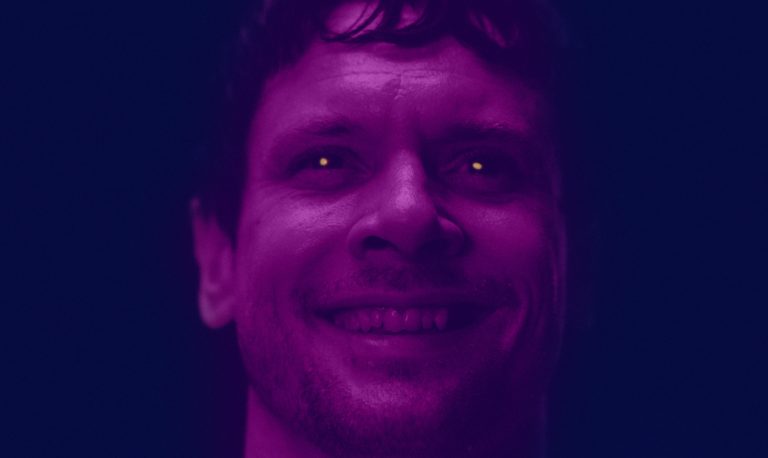
Released on Christmas Day 2024 in the States but the 1st January in the UK, Robert Eggers’ bold Nosferatu retelling kicked the year off in gloriously grim and gory fashion. At once hypnotic, horny, and wholeheartedly horrific, Eggers brought his fiendishly folkish filmmaking style to the timeless vampire tale, receiving mightily impressive reviews and box office receipts as it went.
While vampire films are obviously nothing new, Nosferatu’s heady blend of entrancing performances, visceral splendour, and grimy visual flair made it one of the finest vampiric flicks in recent memory. Starting the year off in style, it was a wonderfully blood-curdling harbinger for what was to come, while also whetting the appetite for Robert Eggers’ follow-up, Werwulf – another generous slab of folk-horror feverishness, due upon us late 2026.
With Leigh Whannell’s somewhat toothless Wolf Man arriving soon after, it wasn’t all smooth sailing for the monster movie in 2025. However, if Nosferatu got the year off with a bite and a bang, things would eventually come to a thunderous close, as the monster maestro himself, Guillermo del Toro, brought another classic colossus back from the dead.
While Frankenstein purists will wince at Guillermo del Toro’s brash story alterations and embellishments, the director certainly succeeded in adding his own inimitable flavour to Mary Shelley’s iconic novel. With bold gothic visuals, grand storytelling, a huge heart, and a generous dose of del Toro magic, Frankenstein proved that there was plenty of life left in these old monster movies yet.
As evidenced by the success of both Nosferatu and Frankenstein, not to mention the sheer amount of Stephen King adaptations we’ve seen lately, reinterpretations of known properties are a core component to horror’s ongoing appeal. Yet, while the above films are of course adaptations of old classics, so much of this year’s success has stemmed from source material a little fresher in the memory.
For better or worse, franchises are horror’s lifeblood. However, while the genre’s obsession and frequent over-reliance on past-their-best franchises has often threatened to kill even the biggest horror brands dead, 2025 has been a bumper year for them.
While the financial successes of The Conjuring: Last Rights and Black Phone 2 were somewhat expected, 2025 has thrown up plenty of pleasant franchise surprises. Let’s face it, the latest Conjuring and Black Phone entries were always likely to do well at the box office, however, the fate of titles like Final Destination Bloodlines and 28 Years Later were far less certain.
As one of the year’s biggest franchise surprises, Final Destination Bloodlines not only banked an incredible $315m at the global box office, it did so in style with a renewed buzz and a refreshingly positive critical reception that proved to the doubters that the long-running series was far from dead.
With a collection of highly creative kills, plenty of nice franchise connectivity, and some clever twists to the patented Final Destination formula along the way, Bloodlines was a satisfyingly grim, logic-defying, delightfully absurd death-fest. And while it undoubtedly had its share of issues, Bloodlines made for one of the best entries yet in the unkillable horror series.
Although wildly different films, the triumph of 28 Years Later would make for just as much of a pleasant surprise as Bloodlines. Considering it’s been over two decades since the release of 28 Days Later, there’s a tonne of things that could’ve gone wrong with Danny Boyle’s legasequel, so the fact that it would go on to be a very respectable hit makes it one of horror’s bigger success stories this year.
Blood, guts, skulls, spinal cords, Danny Boyle’s frenetic direction in full flow, folk horror, coming-of-age drama, post-Brexit commentary, well hung alpha zombies. There’s A LOT going on with 28 Years Later, but while the giant swings Boyle and Alex Garland take may leave your head in a spin, the very fact that they’ve been afforded the opportunity to take them says a lot for the continued confidence studios and audiences have in horror as a place where originality can flourish.
And it’s precisely this fostering of originality that has marked 2025 as one of horror’s finest years. Whether it’s the oddball weirdness of Yorgos Lanthimos’ horror-tinged Bugonia, the gnarly ballsiness of the Philippous’ Bring Her Back, or the disorientating ingenuity of Zach Cregger’s Weapons, the genre has been a veritable hotbed of innovation and a place where both new and established filmmaking talent can prosper.
Whether it’s Boyle, Eggers or del Toro – 2025 has seen big name filmmakers being given the space and freedom necessary to allow their freak flag to fly, and by far the biggest winner of them all has been Ryan Coogler. While he’s found incredible success in the world of franchise filmmaking, it’s clear that Coogler is a man desperate to take his shot at an original story; and in Sinners, not only did the director take that shot, he only went and scored horror’s biggest win of the year.
Big, bold, bloody, and unapologetically black, Sinners was a truly transcendent cinematic experience that sunk its teeth in and didn’t let go. Afforded the freedom to do his thing free of franchise restrictions, Ryan Coogler dug deep to unearth a profound and powerful whirlwind of style, sound, sweat, sex, and metaphor-soaked horror that gleefully overwhelmed the senses to leave its indelible mark on your soul.
Who knows whether Coogler will do anything more with the Sinners story in the future, however, what’s for sure is that horror is made for him. It’s a genre that nurtures and promotes creative freedom, one the director clearly appreciates; and after Sinners’ glowing critical reception and staggering $367m+ box office haul, there’s little doubt that there’ll be plenty more horror opportunities for the filmmaker down the line.
Of course, 2025 has been far from a faultless horror year, with efforts like Megan 2.0, The Woman in the Yard, Him, Death of a Unicorn, and Opus all flopping to varying degrees, yet the positives far outweigh the negatives. Every genre is going to have its ups and downs at any given moment in time, however, whether you measure success in critical reception, fan adulation, or cold, hard box office cash, there can be no doubt that horror has been repeatedly slaying all before it this past year and looks set to continue doing so for the foreseeable future.