
Discover how mothers are represented, how filmmakers are reclaiming motherhood within storytelling.
Mothers have been represented within cinema countless times, existing within every genre imaginable and every storyline possible – mothers continue to grace our screens and bring an undeniable heroic charm to every story they feature in.
Motherhood within cinema has created some of the most powerful characters ever written and they’re often a direct reflection of the responsibilities, pressures and instincts mothers face in reality every day.
Mothers on screen exist without boundary, they’re genre defying, mothers in horror, coming-of-age, surrealism and comedy to name a few. Mothers who fight, who dream and some who just try to get through the day.
In this article I wanted to explore three recent representations of motherhood within cinema, trying to discover how mothers are represented, how filmmakers are reclaiming motherhood within storytelling and recommending a handful of films with a focus on the experience of mothers.
Die My Love
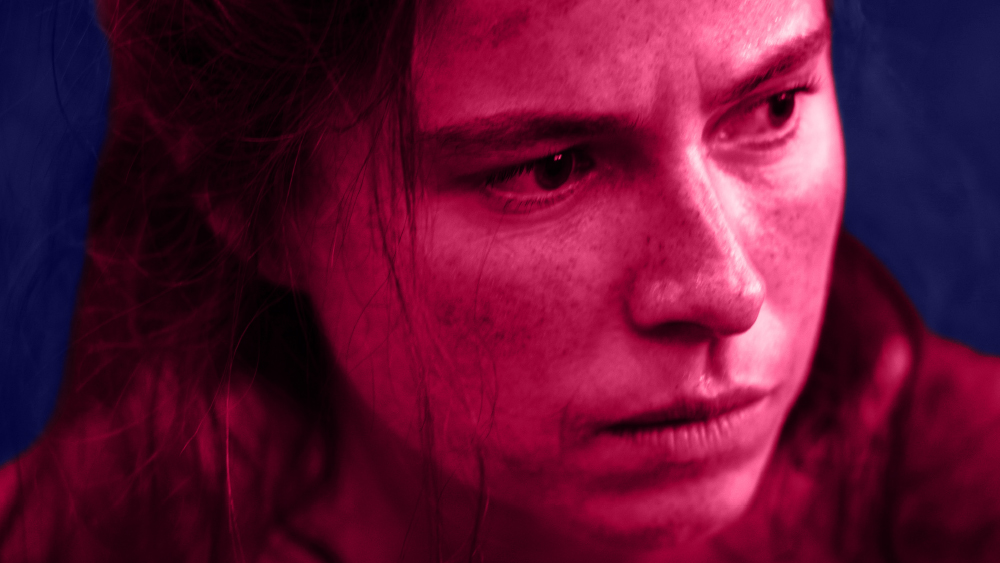
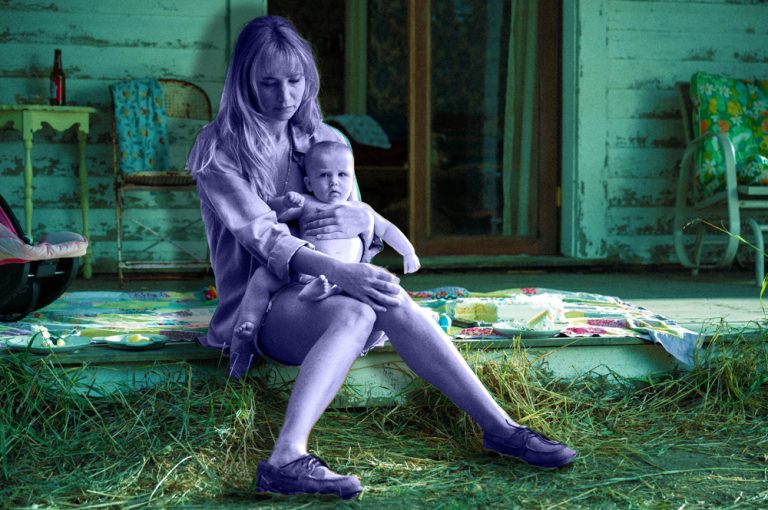
Most recently, Lynne Ramsay’s Die My Love (2025) is a raw, animalistic representation of motherhood and the pressures of bouncing back to ‘normal’ after giving birth. Jennifer Lawrence stars as Grace, a new mother struggling with postpartum depression, battling with herself and quickly spiraling out of control. Die My Love is a surrealist, intense, enthralling piece of cinema that forces you to watch the imperfect side of motherhood, the challenges, the rage, the discomfort and the constant pressure.
Die My Love is a visceral, intense exploration of a woman’s psychological turmoil. Driven by postpartum depression and psychosis, the societal pressures of motherhood, marriage and a profound sense of isolation. Die My Love ’is an uncomfortable yet unexpected adaptation of motherhood that confronts a side of the role that is often shied away from. This exploration of motherhood is empowering, although incorporating extreme moments, the film attempts to bring a new version of mothers to screen.
Bridget Jones
Although Die My Love is a powerful piece of cinema, you wouldn’t expect me to compare it with this year’s happy go lucky comedy Bridget Jones: Mad About the Boy (2025) but when you analyse these films you start to see the similarities of how mothers are represented. Bridget is Britain’s shameless frazzled mess, she’s clumsy, she’s outspoken and now she’s a widow with two children. Bridget is overcoming grief, living as a single parent, juggling her job and happens to fall into the arms of not one but two hunky men. Bridget Jones is an unsung hero of cinema, especially when you place her in the category of motherhood.
Both Grace and Bridget showcase the extremities of motherhood, bringing a person into the world and giving every ounce of yourself to protect them but in doing so, neglecting yourself. I find it fascinating that both characters can represent the spectrum of motherhood whilst existing in polar opposite genres. Bridget lives within the world of comedy, motherhood at its most vulnerable but with comedic charm yet Grace lives within the world of thriller, motherhood at its most extreme yet with an uncomfortable twist.
One Battle After Another
To throw another film in the mix, one of the most discussed films of the year is Paul Thomas Anderson’s One Battle After Another (2025). Although not the film’s focal point, I would argue that One Battle After Another intelligently depicts the pressures of motherhood. Teyana Taylor plays the role of Perfidia Beverly Hills, a co-leader of the revolutionary group the French 75. She is a rebellious character, forced to choose between her personal love and family or her political duty. Perfidia may appear to be a selfish mother, a neglectful, impulsive character who deserts her family but in reality, she is quite the opposite. Perfidia sacrifices everything to keep her family safe, including her own life, she combats the emotional and mental toll of postpartum depression whilst dealing with her loss of identity as a revolutionary.
Similarly to both Grace and Bridget, Perfidia gives up her life and happiness in order to protect her child. All three women are arguably represented in the same light, as head strong, confident, fighting women who forget about their own identity and needs in order to provide for their child.
Motherhood in recent cinema is a spectrum, we see an abundance of mothers on screen. Moving through genre and story to convey a plethora of characters, but I would argue all mothers in recent cinema can be identified by the same trait – giving up one’s self for their children, whether they have control over it or not. The conversation around postpartum depression has become a tool within storytelling in recent years, giving mothers on screen a chance to be more than the housewife and become a realised representation of real mothers.
Here are more films which explore the idea of motherhood on screen, from more serious representations like the ones mentioned in this article to more light hearted, comedic representations too.
Pieces of a Woman (2020)
Lady Bird (2017)
If I Had Legs I’d Kick You (2025)
Hot Milk (2025)
Hereditary (2018)
The Florida Project (2017)
Boyhood (2014)