

Jon M. Chu’s Wicked: For Good delivers a thrilling and emotionally charged finale to the two-part cinematic event that stole audiences’ hearts last year. The film picks up directly after the events of Part One, only now the stakes have escalated, sweeping viewers into a rapidly unravelling Oz. As long-buried truths come to light, the story deepens the fractures that began in the first instalment, while balancing larger plot developments with intimate character moments. Both Elphaba and Glinda’s diverging paths are explored with care, giving their emotional journeys real weight. The result is a breathless re-entry into Oz, one that makes clear this conclusion will be faster, darker, and more poignant than its counterpart.
Whilst the film tackles darker themes, its visual language remains vibrant and dynamic, making it an absolute delight to witness on the big screen. Chu transforms Oz into a cinematic wonderland, filling every frame with dazzling colours, stunning sets, and captivating visuals, contrasting the grand opulence of Emerald City with the forgotten areas of Oz reflecting the conflict and betrayal. The cinematography (Alice Brooks) and visual effects (Pablo Helman and Jonathan Fawkner) are used strategically, guiding the audiences’ attention while enhancing the film’s larger thematic and emotional undertones.
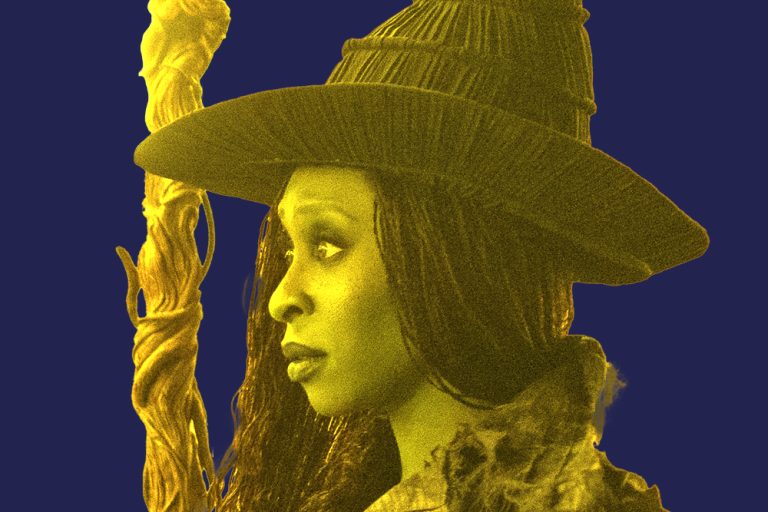
Despite the dazzling visuals, the acting in Wicked: For Good is the film’s emotional anchor with Ariana Grande’s portrayal of Glinda being a masterclass in subtlety and growth; her facial expressions convey complex emotions, effortlessly charting Glinda’s evolution from innocence to resilience. By contrast, Cynthia Erivo dominates vocally, capturing the full spectrum of Elphaba’s conflict, with her performance of No Good Deed standing out as one of the film’s most powerful moments. The chemistry between the two leads elevates the narrative, anchoring the emotional stakes and ensuring that there is not a dry eye in the house.
But the film would be incomplete without its stellar supporting cast. Ethan Slater is unforgettable, delivering a performance that is equal parts heartbreaking and terrifying. Marissa Bode brings a chilling, icy composure to her Nessarose, charging every scene she’s in with tension. Meanwhile, Jonathan Bailey infuses Fiyero with the charm we all know and love, while giving him greater emotional depth, propelling both the story and his characters’ progression forward. Together they help shape the post Defying Gravity world, ensuring the stories darker turns land with impact.
The one area that Wicked: For Good falters in is its pacing. Whereas, the first part offered a more streamlined, singularly focused narrative, For Good, branches out into multiple character arcs as they experience their own stories that slowly intertwine. With this added complexity, the stories at some points feel rushed and other points feel slow. Whilst this expansion is essential to bring the story to a close it occasionally slows the momentum established in the first installment. Despite this, each story ultimately converges in a satisfying way. It’s a minor concern in an otherwise beautiful finale, but one that stands out in comparison to Part One’s cohesion.
In its final moments, Wicked: For Good soars. Jon M. Chu delivers us a satisfying finale bursting with emotion, spectacle and narrative depth, bringing both Elphaba and Glinda’s stories to a close with grandeur and grace. With its standout performances and richly realised world, the film stands as a testament to what musical cinema can achieve. As the curtain falls on Oz, it leaves behind a conclusion that is as powerful as it is poignant.


