
2025 has been a year of truly remarkable cinema. We’ve witnessed blockbuster successes like Jurassic World: Rebirth, Lilo & Stitch, and The Minecraft Movie dominating the box office, alongside more offbeat offerings such as Bugonia, One Battle After Another, and Weapons, which have already begun cultivating almost cult-like followings online. Yet, amid this abundance, many films have slipped under the radar, popping into existence briefly before fading back into the shadows, much like Deckard’s unicorn memory in Blade Runner, appearing for a moment before dissolving. In this article, I aim to shine a light on those overlooked gems, giving attention to the films that have been quietly waiting for recognition.
Sorry, Baby
Eva Victor’s Sorry, Baby is a darkly comic, emotionally charged exploration of trauma, friendship, and resilience. The film follows literature professor Agnes as she navigates the aftermath of a sexual assault, blending humor and heartbreak to capture the complexities of recovery. At the heart of the story is Agnes’s fraught relationship with her former college roommate, a dynamic that underscores how past experiences continue to shape the present. Simultaneously, the film offers a sharp critique of institutional failings in addressing assault, making it as socially incisive as it is emotionally resonant.
Distributed by A24, known for cult favorites like Lady Bird (2017), Midsommar (2019), and Oscar-winning Moonlight (2016) it is surprising that Sorry, Baby has yet to achieve the same following, given its deft balance of comedy and emotional weight. Offbeat and uncompromising, the film’s raw power comes largely from Victor herself, who serves as writer, director, and lead actress, delivering a performance that shines alongside acclaimed actors Naomi Ackie and Lucas Hedges.
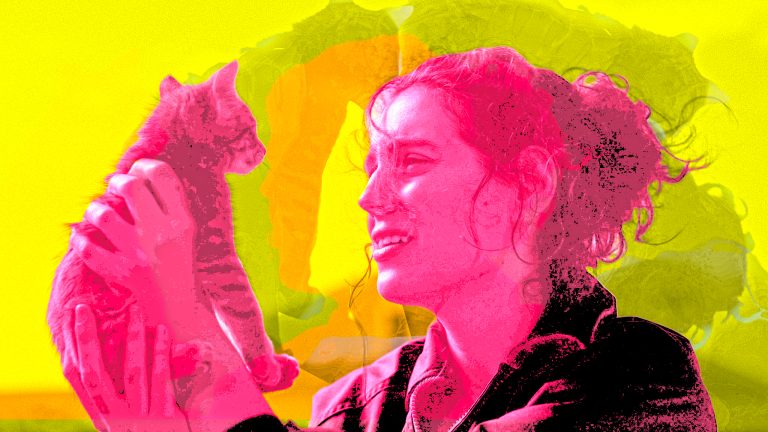
Though unflinching in its portrayal of trauma, the film’s moments of levity, including appearances from a charming cat, create a poignant and surprisingly accessible narrative. Sorry, Baby is a must-see, not only for its humor and heart but for its fearless spotlight on the failures of institutions in responding to assault.
Hot Milk
Hot Milk directed by Rebecca Lenkiewicz and based on a novel of the same name by Deborah Levy is certainly a film that has been overlooked by audiences this year. Sofia travels with her enigmatic, chronically ill mother, Rose, to a secluded Spanish village seeking unconventional treatment. Burdened by her mother’s dependence, Sofia feels trapped, until she encounters Ingrid, a free-spirited local woman, sparking an affair that awakens her desires and independence. Meanwhile, the village’s mysterious Dr. Gomez tends to Rose with methods that are as unsettling as they are unconventional, weaving tension and intrigue into this story of family, freedom, and the limits of care. The performances are a standout in this film, with Emma Mackey and Fiona Shaw delivering a compelling portrayal of a fragile, fracturing mother-daughter relationship that lingers long after the credits roll. The cinematography, sun-drenched, sand-coated, and water-framed, immerses the viewer fully in the Spanish setting. Cloaked in ambiguity, the story keeps you guessing as Sofia grapples with the legitimacy of her mother’s illness, and the shocking ending leaves you questioning what really transpired. I was even compelled to buy and read the book afterward, hoping to uncover more answers.
Urchin
Urchin directed by Harris Dickinson is certainly a film that has gone under the radar. Harris Dickinson is well known as an actor for his performances in films such as Triangle of Sadness (2022), Beach Rats (2017) and of course, Babygirl (2024). Urchin is the actor’s directional debut and follows Mike who is sleeping rough on the streets of London. He is caught in a cycle of impulsivity and substance abuse he can’t seem to break. Sharp-witted and naturally charismatic, he’s someone who might have taken a very different path, yet his addiction spirals into an act of sudden, unprovoked violence that brings everything crashing down. In a moment, he’s arrested, pulled from the streets but still trapped in the turmoil that put him there.
What stands out most about this film is its unflinching honesty. It offers a raw, empathetic look at former offenders and people experiencing homelessness, capturing the immense challenges they face when trying to re-enter society. For me, it was eye-opening- offering a perspective rarely shown in mainstream media, which too often focuses on outside judgment rather than lived experience.
The performances are a major part of what makes the film so affecting, particularly Frank Dillane, who delivers a grounded and quietly remarkable turn as the protagonist. Director Dickinson’s choice to cast lesser-known or completely unknown actors pays off, echoing the tradition of Ken Loach. By avoiding star-powered distractions, the film gains a striking sense of realism and emotional immediacy.
While Urchin suffered from the lack of a broad theatrical release, its upcoming arrival on MUBI (date still to be announced) may finally bring it the wider recognition it deserves.
Peter Hujar’s Day
Peter Hujar’s Day is another hidden gem of 2025. It is directed by Ira Sachs and adapts Linda Rosenkrantz’s book drawn from her 1974 recording of photographer Peter Hujar recounting the previous day of his life. The film meticulously recreates their conversation, offering a rare, intimate window into the downtown New York art scene of the era and into Hujar’s reflections on his work, relationships, and creative identity. Unfolding entirely within a single room, the film rests on the strength of its two actors; Ben Whishaw as Hujar and Rebecca Hall as Rosenkrantz, whose quiet, meandering exchange becomes both a character study and a time capsule. Despite containing virtually no traditional action, its “movement” limited to sips of tea, drifting cigarette smoke, and unhurried conversation, the film is utterly absorbing. As Hujar recounts his day, including a quietly fascinating visit with Allen Ginsberg, the audience is drawn into his world. Bathed in warm, golden tones, the film feels almost hypnotic, aided by Ben Whishaw’s lulling voice (familiar to many as Paddington). The result is a soothing, contemplative experience that offers a vivid window into the New York art scene of the 1970s.
Bring Her Back
Bring Her Back is one of this year’s most underrated gems. Although it generated some buzz around its release, it seemed to briefly catch people’s attention before fading from the conversation altogether. The film marks the latest project from the Australian RackaRacka brothers, Danny and Michael Philippou, who transitioned from their hugely popular YouTube channel into filmmaking. Their debut Talk to Me (2022) drew massive attention, but Bring Her Back never quite managed to hold the spotlight.
Centered on the theme of grief, the film is profoundly affecting. It follows Andy and Piper, siblings placed into foster care after their father’s death. Their new guardian, Laura, an eccentric former counsellor, initially seems merely unconventional, but things quickly unravel when Andy befriends Laura’s son Oliver and the family’s secrets start to surface. What lingered with me most is just how devastating this film is; I don’t think I’ve ever seen a horror movie explore grief with such weight. I also don’t think I’ve ever cried during a horror film, but this one genuinely made me sob.
Sally Hawkins is exceptional here. Known for playing warm, likeable characters such as Poppy in Mike Leigh’s Happy-Go-Lucky (2008) or Mrs. Brown in Paddington (2014), she completely subverts her usual type. Her performance, twisted, unsettling, and deeply layered, amplifies the film’s dread precisely because we’re so used to seeing her as someone gentle. It’s honestly a shame this film hasn’t sparked more awards conversation; Hawkins unquestionably deserved a Best Actress Oscar nomination for her work.
The Ugly Stepsister
The Ugly Stepsister, directed by Emilie Blichfeldt, is a Norwegian film that completely reimagines the classic Cinderella story, steering it boldly into the realm of horror. Told from the perspective of one of the infamous “ugly” stepsisters, Elvira, the film follows her obsessive quest to become beautiful enough to capture the prince’s attention at the royal ball, despite Cinderella aiming for the same goal.
Visually, the film feels like what might happen if Sofia Coppola directed a gothic horror fairy tale. It carries a distinctly Marie Antoinette-esque Rococo aesthetic, especially evident in its opening title sequence: the camera gliding over pomegranates, dainty shoes, wilted flowers, and pink calligraphy reminiscent of Coppola’s The Beguiled (2017).
What struck me most was the film’s portrayal of the desperation to attain beauty and how far someone will go to alter, even damage, their own body in pursuit of male approval. It’s deeply unsettling and profoundly sad. Lea Myren is exceptional as Elvira; she radiates joy as she inches closer to this manufactured “perfection,” yet behind her eyes you can see the immense pain and emotional strain she’s enduring, pushing herself to the brink to achieve her dream.
I often find the horror genre can feel repetitive, but The Ugly Stepsister introduces imagery and ideas I haven’t encountered before. One scene involving a tapeworm is particularly unforgettable. I’m genuinely surprised this film hasn’t been more prominent in audiences’ minds in 2025; it’s undeniably unique and an absolutely wild ride.
Overall, these are just a few of the underrated and underseen gems of 2025. There are many more out there that deserve far greater appreciation.